Published Engagements
Browse by Industry and Problem Type
Each case study walks through the four-phase methodology — business assessment, workforce assessment, solution design, and implementation — and reports the outcome against the objective we were hired to achieve.
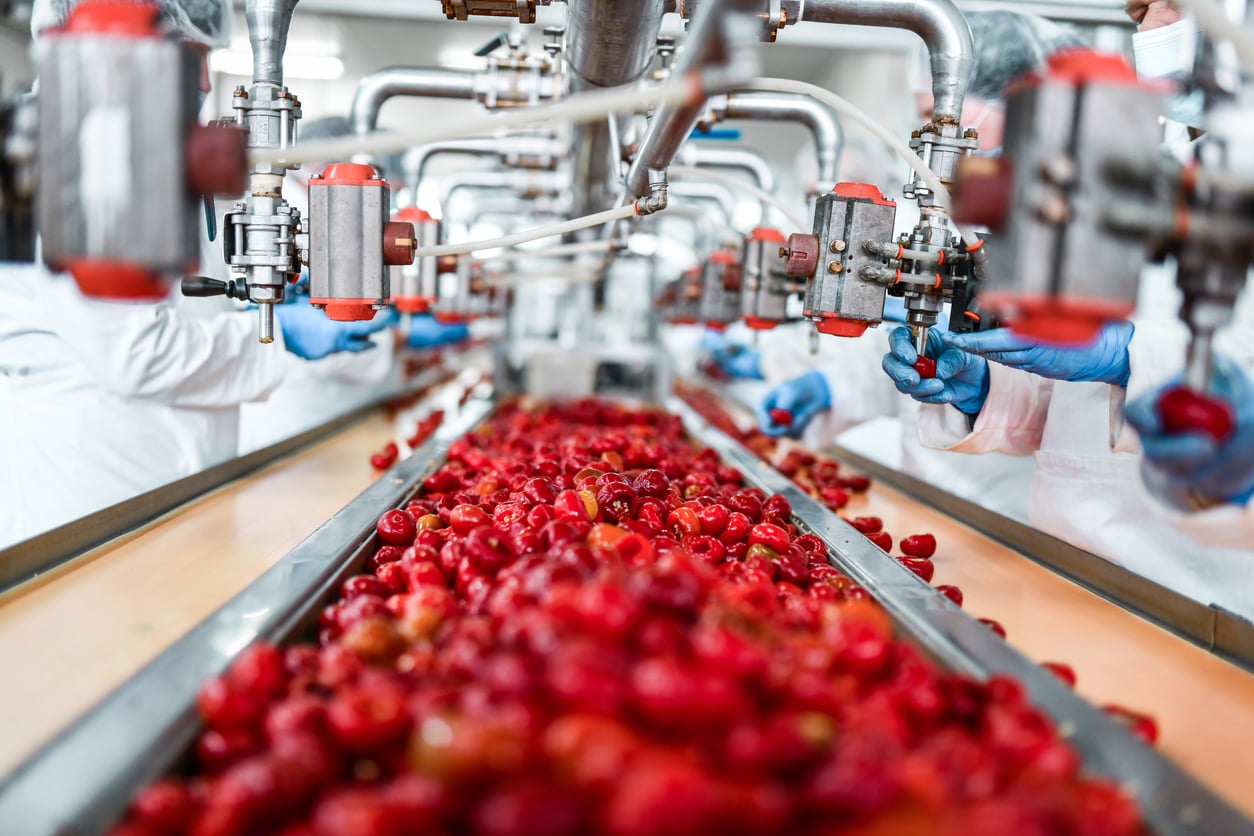
Food Manufacturing
Food Manufacturer Didn’t Need a 7-Day Schedule
The capacity gap was on afternoon shift, not weekends. Saved a $4.2M expansion that wasn’t needed.

Distribution
7-Day Distribution Coverage Without a Weekend-Only Crew
Two 12-hour Day-only crews on a 2-2-3 pattern delivered weekend coverage without the two-tier workforce problem.

Pharmaceutical
Pharma Packaging to 7 Days With Cleaning Validation Intact
Validated cleaning cycles set the schedule. Production fit around them — not the other way around.

Automotive
6-Day Schedule Solved Capacity and Avoided Union Renegotiation
The difference of one day was the difference between an implementation and a contract reopener.

Chemical Processing
Specialty Chemical Plant Moved to 7-Day Continuous Operation
The challenge wasn’t production scheduling. It was redesigning maintenance windows built into the 5-day envelope.
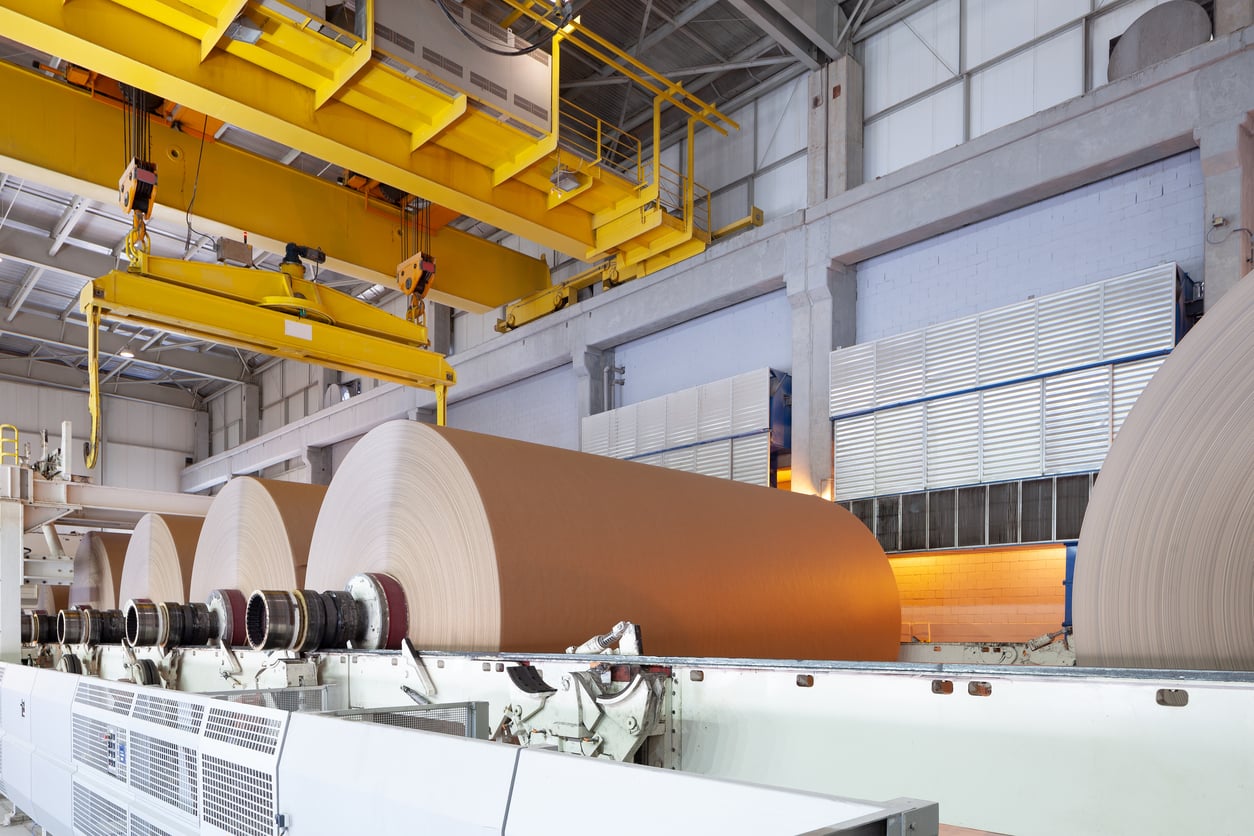
Pulp & Paper
Paper Mill Cut Overtime by Diagnosing Real Root Causes
Three distinct overtime drivers operating at once. The redesign addressed each separately.
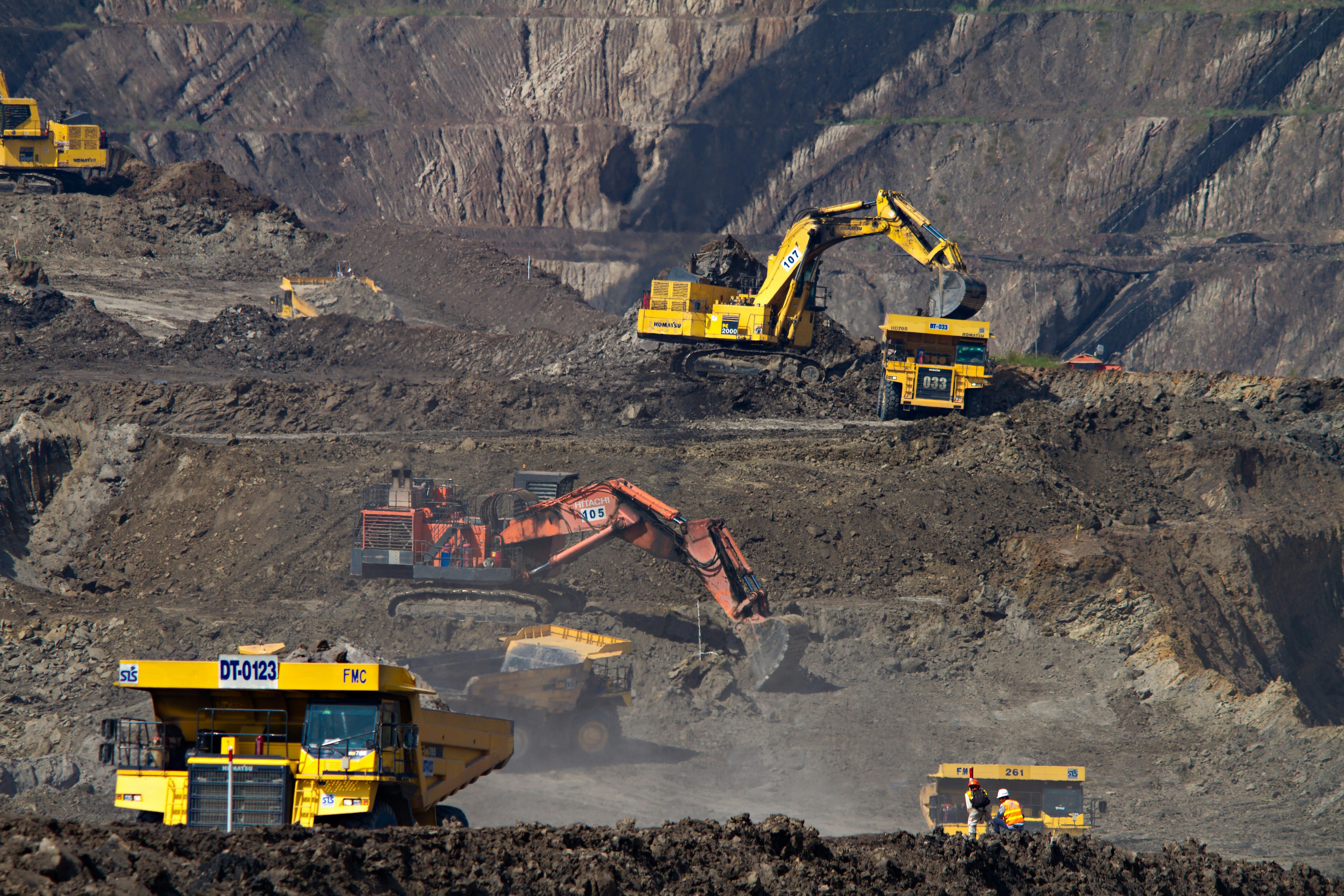
Mining
Mining Operation Cut Voluntary Turnover by Redesigning the Schedule
Management was certain compensation was driving the departures. The diagnostic told a different story.

Manufacturing
Manufacturer Improved Work-Life Balance Without Compromising Output
The business was running fine. The workforce wasn’t. The redesign improved life quality without breaking what worked.
Distribution
Distribution Center Found $5M in Its Own Schedule
$3.4M–$4.2M in annual overlap costs and $1.6M in complexity loss. The redesign addressed both root causes.
Food Manufacturing
Beverage Plant Moved to 12-Hour Shifts Without Breaking Sanitation Cycles
Sanitation windows defined the shift boundaries. The 12-hour design fit production around them, not over them.
Distribution
Distribution Center Handled Peak Season Without Mandatory Overtime
A flex-crew design absorbed the seasonal surge. Mandatory overtime dropped to zero through peak.
Pharmaceutical
API Manufacturer Moved From 3 Crews to 4 Without Adding Headcount Per Shift
The fourth crew came from reallocation, not hiring. Coverage gaps closed without payroll growth.
Mining
Underground Mine Cut Fatigue Incidents With a Different 12-Hour Pattern
The shift length wasn’t the problem. The rotation pattern was. The redesign kept 12 hours but changed everything else.
Refining
Refinery Turnaround Staffing Without Pulling From Normal Operations
Normal operations stayed staffed at full strength. The turnaround built its own staffing model alongside.
Pulp & Paper
Paper Converting Plant Solved Absenteeism Without Adding Relief Crews
The absenteeism pattern told a story. Once read correctly, the coverage model didn’t need more bodies.
Chemical Processing
Chemical Plant Stayed on Fixed Shifts After Rotating Looked Like the Answer
The rotating recommendation didn’t survive the workforce assessment. Fixed shifts — redesigned — solved the actual problem.
Automotive
Automotive Assembly Plant Rebalanced 3 Shifts to Match True Demand Curve
Three equal shifts looked fair on paper. The actual demand curve required something different.
Manufacturing
Manufacturer Fixed Supervisor Coverage Gaps Without Adding Supervisors
The gaps weren’t a headcount problem. They were a scheduling problem the existing supervisor count could solve.
Food Manufacturing
Food Processor Restructured Weekend Premiums and Recruited Weekend Volunteers
The right premium structure turned a coerced weekend roster into a voluntary one. Mandatory weekends ended.
Refining
Refinery Cut Call-Out Overtime With a Dedicated Relief Pool
Call-out overtime had become its own line item. A purpose-built relief pool reduced it without adding headcount net.